
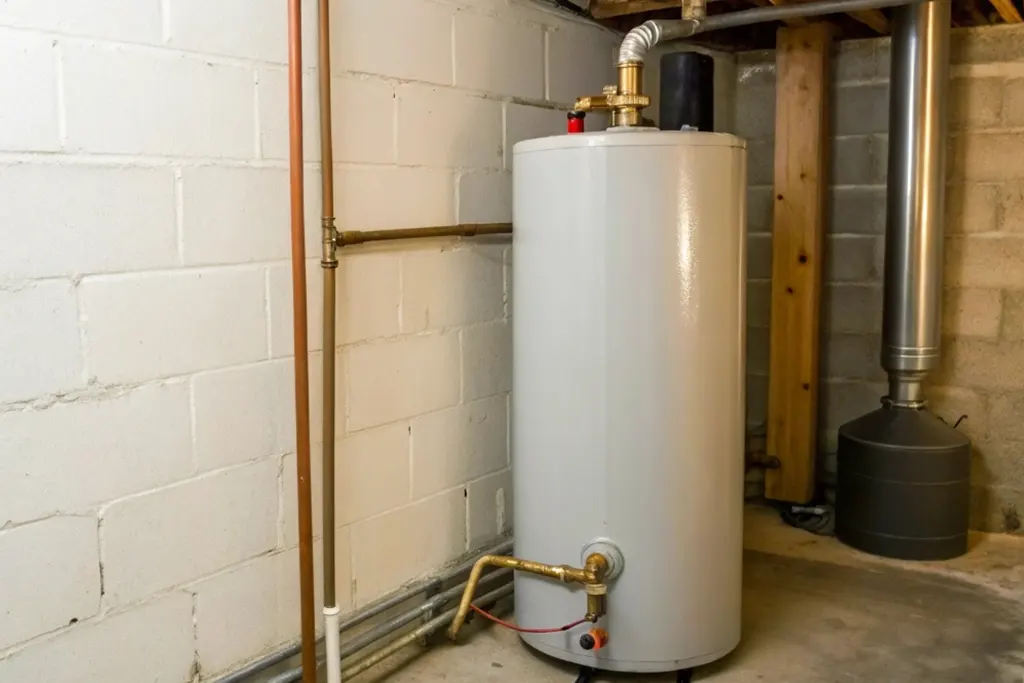
A cold shower on a cold morning isn’t just a minor inconvenience—it’s a sign that your water heater needs urgent attention. Time is of the essence: without hot water, your entire household’s routine is disrupted. If your water heater isn’t heating water, you’re not alone. Most homeowners encounter this problem at least once in their life. The good news? Whether it’s a hot water heater repair or a water heater replacement, there are solutions to restore your hot water supply.
Why Respond Quickly?
Prevent water damage or mold growth – Avoid frequent breakdowns and higher energy costs – Maintain a safe and comfortable home environment.
Before calling a professional, try these basic checks: the power supply, thermostat settings, and hot water flow to identify the possible cause. These simple checks help you identify the problem and determine whether you need water heater repair or water heater replacement.
Power or Gas Supply
- Electric heater – check the circuit breaker or fuse for tripped or blown settings.
- Gas heater – ensure the pilot light is lit, the gas valve is open, and the thermostat settings are correct.
Thermostat Malfunction
Verify that the thermostat is set to a suitable temperature (usually 120°F–140°F). If the thermostat feels unresponsive, it may need cleaning or replacement.
Sediment Build-Up
Sediment layering can clog the heating element or insulate the water from heat. Sediment buildup is common in hard-water areas and can often be remedied by flushing the tank.
Faulty Heating Element (Electric) or Burner (Gas)
A failed heating element will stop heating even if the rest of the unit functions. For gas models, a cracked or dirty burner may require professional cleaning or replacement.
Ignitor or Dip Switch Issues
In gas heaters, the ignition system may fail, preventing the pilot from lighting. Electric heaters can suffer from a faulty dip switch or outlet.
Pilot Light Ignition Problems
A dried-out flame sensor or blocked vent can cause the pilot light to go out.
If your troubleshooting reveals a simple fix—such as resetting a breaker or cleaning a thermostat—you may be able to restore hot water quickly. If you encounter a more complex issue, it’s time to call professional water heater repair specialists.
DIY Repairs vs. Professional Service
DIY-Friendly Fixes
- Resetting breakers or valves
- Cleaning a thermostat
- Flushing sediment
- Checking a pilot light
These tasks typically take less than an hour and can be safely completed by an experienced homeowner. However, any work involving gas lines, electrical components, or tank pressure is risky and might void warranties.
When to Call a Water Heater Plumber
- Electrical shock risk – you’re unfamiliar with wiring.
- Gas line or burner issues – only certified technicians should handle gas.
- Persistent non-function after basic checks.
- Warranty coverage – professional repair maintains service guarantees.
A trained contractor ensures safety, compliance with local codes, and that your repair or replacement will last.
Choosing the Right Water Heater Repair or Replacement Team
You have a few options in the market for water heater repair. Regardless of how you search, look for these essential qualities:
| Feature | Why It Matters |
|---|---|
| Certifications & Licenses | Ensures technicians are properly trained and qualified. |
| Warranty on Parts & Labor | Provides coverage and helps avoid unexpected repair costs. |
| 24/7 Availability | Gives you access to help when unexpected water heater problems occur. |
| Transparent Pricing | Helps you understand the costs before work begins. |
| Positive Reviews & Testimonials | Gives you an idea of the company’s service quality and customer experience. |
Selecting a reputable local company means you’ll get quick on-site service, handy tools, and expert advice—whether you need a water heater repair or a new water heater replacement.
Is a Replacement Worth It?
Your water heater’s age and condition dramatically influence whether repairing the unit or investing in a brand-new model is the best route.
Factors That Favor Replacement
- Age > 10–12 Years – older units are less efficient and more prone to failure.
- Repeated Repairs – each fix adds wear and can reduce lifespan.
- Energy Audit Results – high-efficiency models deliver lower monthly bills.
- Leaks or Rust – structural damage means the unit is beyond repair.
Benefits of a Replacement
- Lower Operating Cost – dramatically reduce energy usage.
- Higher Reliability – fewer service calls and downtime.
- Advanced Technology – faster heat-up, safety features, and quieter operation.
- Increased Home Value – adds to resale attractiveness.
When you choose water heater replacement, The Water Specialist team will handle everything, from removing and disposing of your old system to installing a new, efficient unit that meets your home’s hot water needs. Our experienced team also provides reliable water heater repair to keep your system running properly.