
What to Expect During a Well Inspection in Chapel Hill
Private wells are the main water source for many homes in Chapel Hill, which makes their health and performance essential for everyday living. A well-inspection is one of the most important steps you can take to ensure your household has clean, safe, and reliable water. Whether you are purchasing a home or maintaining your existing property, inspections help identify issues early before they turn into expensive repairs.
Routine inspections are especially important because wells can experience pump failures, declining water quality, pressure problems, sediment buildup, and bacterial contamination without obvious warning signs. Many homeowners discover they need services such as pump repair, water well pump service near me, well water pump repair, or water heater repair only after an inspector evaluates the condition of their system.
Understanding the Well Inspection Process in Chapel Hill
Before going into the specific steps of an inspection, it’s important to understand how the process works and why having a local expert is crucial. Chapel Hill and share a geological environment where mineral-heavy soil, hard water, and seasonal groundwater shifts can affect well performance.
What Is a Well Inspection?
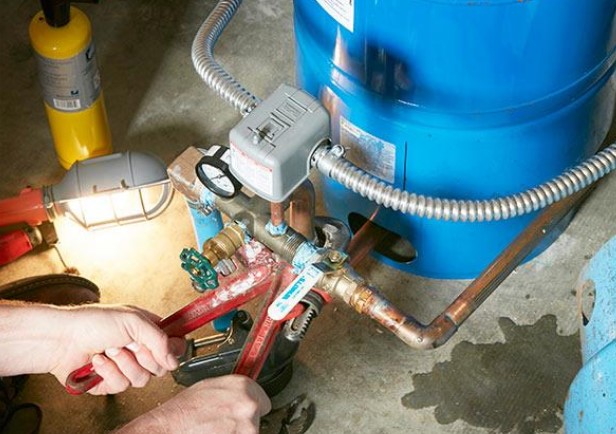
A well inspection is a full evaluation of your well structure, safety, mechanical performance, and water quality. It is more detailed than a basic water test because it examines the entire system rather than just the water itself. During an inspection, a professional evaluates the condition of the well casing and cap, the pump’s performance, the pressure tank’s operation, and the electrical controls that power the system. They also measure flow rate, water pressure, and overall, well output, all of which indicate how healthy the system is.
This level of inspection is essential for identifying problems with aging pumps, pressure tanks that no longer hold pressure properly, wiring issues, or sediment that may be affecting performance. If the inspector discovers anything abnormal, the homeowner may need a well pump repair or water well pump service near me to fully restore the system.
Why Regional Expertise Matters
Chapel Hill has unique groundwater patterns and soil characteristics that influence well health. Hardness, iron, and manganese levels can be higher in certain parts of the region, and some areas are more susceptible to bacterial contamination. These local conditions make it important to work with an inspector who understands the common problems and warning signs associated with wells in this area.
Local experts also understand North Carolina’s requirements for well inspections, especially during real estate transactions. Whether you are preparing to buy a home or simply staying ahead of maintenance, choosing a service provider with strong regional knowledge ensures that your inspection is accurate and meets the standards set by state and county regulations.
What Professionals Inspect: Complete Well Inspection Checklist
A well-inspection is designed to evaluate every major part of your system. Understanding the areas of a professional examine will help you appreciate the detail and precision involved in the process.
Structural & Mechanical Components
The first part of the inspection focuses on the physical components that make up your well. The inspector examines the well casing to ensure it is structurally sound and free from cracks or corrosion. The well cap is checked to confirm it is sanitary and sealed properly, since a loose or damaged cap can allow insects or debris to enter the system.
The pump system is also evaluated closely, including how quickly it activates, how long it takes to pressurize the system, and how consistently it runs. The pressure tank is another major component, and the inspector checks whether it is maintaining the proper pressure. Electrical controls, wiring, switches, and safety devices are inspected to ensure everything is functioning safely and efficiently. When any of these elements fail, homeowners often find themselves searching for well pump repair or well and pump repair near me to resolve the issue.
Water Flow & Output Testing
After evaluating the structural and mechanical components, the inspector tests how well the system produces water. This includes measuring the gallons per minute output, the stability of pressure during use, and how the pump cycles during normal operation. A healthy system should provide consistent pressure and maintain steady water flow without rapid cycling or long delays.
If the system shows signs of reduced output or unstable pressure, it may indicate a failing pump, a clogged well screen, or a pressure tank problem. These issues usually require professional services such as water well pump service near me or well pump repair to correct the underlying cause.
Water Quality Testing
Water quality testing is another core part of the inspection. The inspector collects samples and checks for bacteria such as coliform and E. coli, which can cause serious health concerns if left untreated. The inspector also evaluates the water for nitrates, nitrites, acidity, hardness, and minerals like iron or manganese.
The presence of these contaminants can affect everything from drinking water quality to the lifespan of your plumbing fixtures. If contamination is found, the inspector may recommend water treatment solutions or additional services such as well water pump repair or system upgrades to help restore safe water conditions.
Equipment Age & System Condition
The final component of the checklist involves evaluating how old your equipment is, how well it has been maintained, and how much life may have left. Well pumps and pressure tanks typically last many years, but heavy usage, mineral buildup, or improper installation can shorten their lifespan.
Inspectors look for signs of aging such as rust, inconsistent pressure, pump noise, and slow cycling. Older systems often require preventative maintenance or repairs, and homeowners commonly schedule well pump repair or water well pump service near me once they understand the true condition of their system.
Step-By-Step: The Well Inspection Process Chapel Hill Homeowners Can Expect
Now that you know what is inspected, it’s helpful to understand how the entire inspection unfolds from start to finish. A professional inspection follows a systematic approach to ensure no part of the system is overlooked.
Pre-Inspection Review
Before beginning the physical evaluation, the inspector asks questions about the system’s history and your concerns. They may ask about changes in water pressure, unusual tastes or odors, past repairs, or how long it has been since the last inspection. They also review the property layout to determine how the well interacts with septic systems, landscaping, or nearby structures. This background information allows them to tailor the inspection to your specific system.
On-Site System Evaluation
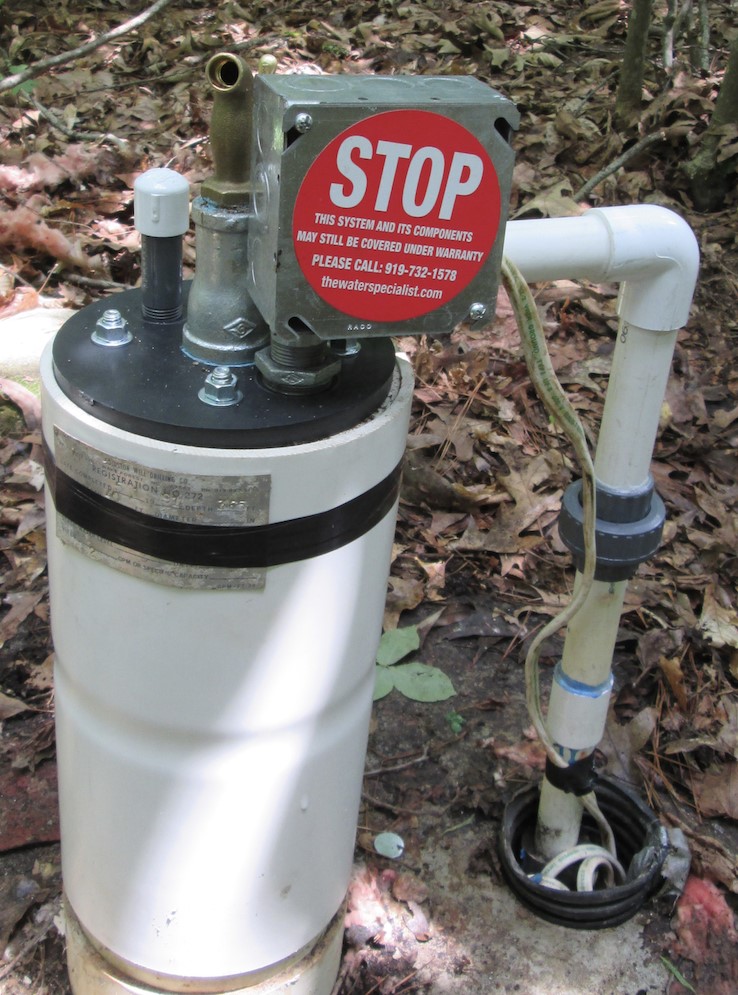
The on-site evaluation begins with examining the wellhead and all accessible parts of the system. The inspector looks at the casing, cap, pump, wiring, and surrounding ground for signs of wear or damage. They test the pressure tank and observe the pump as it runs to check for short cycling or hesitation.
This part of the process often reveals the early stages of problems that homeowners may not notice yet. If issues such as pump strain or pressure fluctuations are detected, the inspector may recommend a well pump repair or water pump service to prevent further damage.
Water Testing and Sample Collection
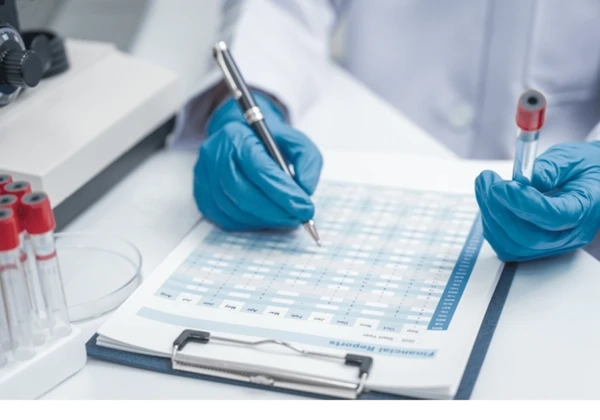
The inspector collects water samples according to safe testing procedures. Samples may be tested on-site for basic data, but most are sent to a certified laboratory for detailed analysis. These reports typically return information about the presence of bacteria, minerals, nitrates, hardness, and other contaminants that may affect drinking safety.
Once the results are complete, the inspector reviews the findings with the homeowner and explains what they mean. If water quality problems are discovered, treatment options or system repairs are usually recommended.
Final Report and Recommendations
At the end of the inspection, the inspector prepares a detailed report explaining everything they found. This includes the condition of the mechanical components, water quality results, flow rate measurements, and any issues that require attention. They may also recommend repairs, upgrades, or routine maintenance depending on the age and health of your system.
Homeowners often use this information to schedule follow-up services such as pump repair, water heater repair, or septic system installation if related issues are discovered during the inspection.
Cost of a Well Inspection in Chapel Hill
Understanding the cost of a well inspection helps homeowners prepare and budget for this necessary service. The price varies depending on several factors, but most homeowners agree that a thorough inspection is well worth the investment.
What Affects the Price
The cost of an inspection is influenced by the depth of the well, the age of the system, the complexity of the pump and pressure tank setup, and the number of water tests required. Wells with older pumps or high mineral content may require additional testing. Systems with complicated wiring or inaccessible wellheads may also take longer to evaluate.
Typical Price Range
Most inspections fall within a reasonable price range for homeowners in the Chapel Hill area. While basic inspections cost less, a comprehensive inspection that includes detailed water testing offers far greater long-term value. The information gained during a complete inspection often prevents major repairs that could be significantly more expensive, such as replacing a pump, fixing wiring issues, or handling emergency well pump repair.
How to Prepare for Your Well Inspection
Preparing for a well inspection makes the process smoother and helps your inspector complete the evaluation efficiently. Homeowners should gather any available information about their system, including records of past repairs, pump replacements, or water treatment installations. It also helps to clear access to the wellhead and ensure the inspector can easily reach the pressure tank, pump controls, and any filtration equipment.
Homeowners should also take note of issues such as low pressure, unusual noises from the pump, changes in water taste, or visible sediment. Sharing these concerns with the inspector allows them to focus on potential problem areas immediately.
Why Choose the Water Specialist for Your Well Inspection
The Water Specialist has earned a strong reputation for quality, precision, and local expertise in well-inspections throughout Chapel Hill. Their team of professional, experienced technicians understands the unique demands of the region’s groundwater system and brings advanced diagnostic tools to every inspection.
In addition to well inspections, they offer a full range of related services including well pump repair, water heater repair, septic system installation, and complete water well and pump service. Their ability to diagnose problems, repair equipment, and maintain entire water systems makes them a one-stop solution for homeowners looking to protect their water quality and system performance.
Conclusion
Well inspection is a critical step in ensuring long-term water safety and system performance for homeowners in Chapel Hill. From evaluating mechanical components to testing water quality and analyzing pump output, the inspection provides a complete picture of your system’s health. With local expertise and advanced diagnostic tools, The Water Specialist delivers dependable inspections along with well pump repair, water heater repair, and water well pump service near me for any issues that arise.
If you’re ready to ensure the health and safety of your well-being system, scheduling an inspection with The Water Specialist is the best step toward protecting your home and your family.