
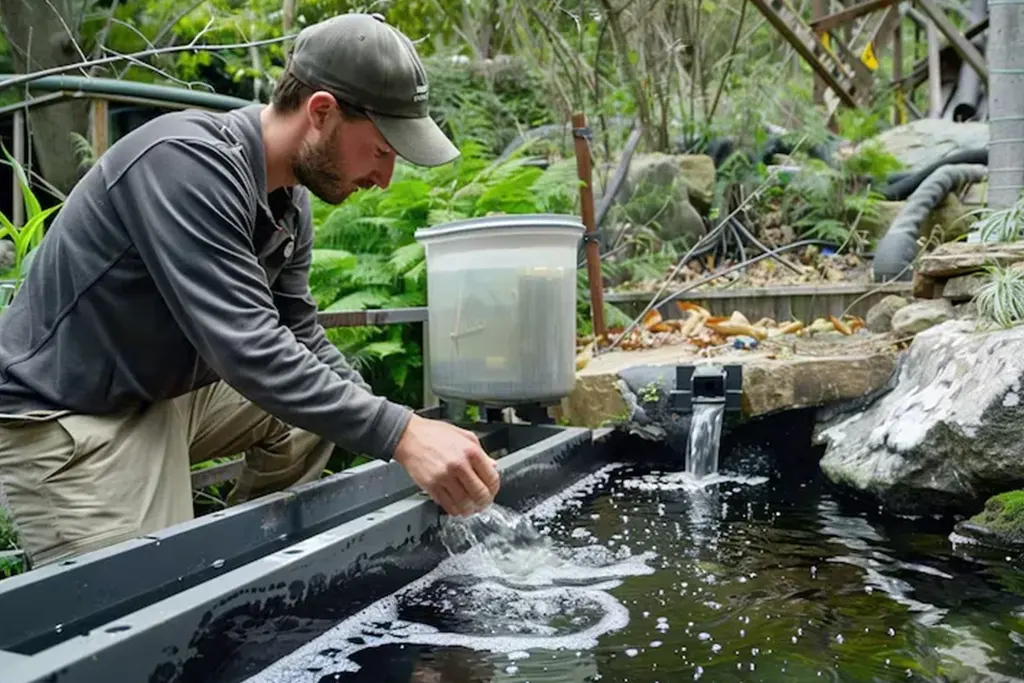
If your home in Chapel Hill runs on well water, here’s something worth sitting with for a second: nobody is checking that water for you. There’s no city utility pulling samples on your behalf, no annual water quality report landing in your mailbox each spring. That responsibility is yours alone, and water testing is really the only way to follow through on it.
And here’s the part that catches people off guard — well water can look perfectly clear, taste completely normal, and still be carrying bacteria, nitrates, or heavy metals at levels that genuinely matter. You may not taste any of that. Youwon’t see it either. The only place it shows up is on a lab report.
This guide covers when to test, what to actually test for, how to collect a sample the right way, and what to do if something comes back that shouldn’t be there. Consider it a practical rundown of well water testing in Chapel Hill — the kind of thing worth bookmarking, not just reading once.
Why Testing Matters More Than Most People Realize
Groundwater doesn’t sit still. It shifts with rainfall, with what your neighbors are doing on their property, with how well-maintained nearby septic systems are, and with the geology sitting under your own yard. A well that came back clean five years ago can be a completely different story today, particularly after a heavy storm or flooding event moves things around underground.
You don’t need to run a test every month. But there are specific moments when it’s genuinely worth doing:
- On a routine schedule, even if nothing seems off
- After flooding or a stretch of heavy, sustained rain
- If the water suddenly tastes, smells, or looks different than usual
- Right after any repair or service work on the well itself
- If someone in the house gets sick and there’s no obvious explanation
- Before closing on a home sale, whether you’re the buyer or the seller
- When something changes nearby — new construction, new farmland use, a neighbor dealing with septic trouble
Why Chapel Hill Wells Need Extra Attention
Chapel Hill sits on a patchwork of soil types and bedrock, which makes local groundwater more unpredictable than most homeowners assume. Add in the density of septic systems across the area, natural runoff patterns, and the region’s tendency toward sudden, heavy rain, and you end up with a groundwater picture that can shift without giving you any warning at the faucet.
That’s really the frustrating truth about private wells in this area — water can be unsafe and still look, smell, and taste completely fine. You’re not going to catch that standing at the kitchen sink. A lab test is the only thing that will.
This is also where a well septic inspection earns its keep. Septic systems and private wells sitclose together on most Chapel Hill properties, and a septic system that’s failing or aging poorly is one of the more common ways contamination ends up in a well. If you haven’t had your septic system looked at recently, it’s worth pairing that with your next round of water testing rather than treating them as separate, unrelated chores.
What You Should Actually Be Testing For
Not every well needs the exact same panel run on it. What makes sense for your property depends on your well’s age, how it was constructed, and what’s happening around it. That said, a handful of categories come up again and again.
-
Coliform bacteria and E. coli.
This is usually where testing starts. Coliform bacteria showing up in a sample is a signal that your well system has a vulnerability somewhere — a compromised seal, surface water sneaking in, something along those lines. A positive E. coli result points specifically to fecal contamination, and that’s not something to sit on. -
Nitrates and nitrites.
These usually trace back to septic systems, fertilizer, or agricultural activity nearby. They matter most in households with infants — high nitrate exposure is a real, specific health risk for babies, so this test should be a priority if there’s a young child at home. -
Metals.
Lead, arsenic, iron, manganese, copper — some of these occur naturally in North Carolina groundwater, while others leach in from old plumbing. Worth checking, especially in older homes where the pipes have been in the ground (or the walls) for decades. -
Hardness.
Calcium and magnesium won’t make anyone sick, but they will wear down your water heater faster, clog up fixtures, and leave spots on every glass in the cabinet. This one’s more about protecting your equipment than protecting your health. -
Everything else, depending on your situation.
If there’s an industrial site, farmland, or old fuel storage anywhere near your property, it might be worth checking for volatile organic compounds, pesticides, or radionuclides too. A local lab or water treatment professional can tell you fairly quickly whether any of that applies to you.
How Often Should You Really Be Testing?
There’s no single right answer here — it depends on your well’s history, what’s around your property, and whether anything’s changed recently. What matters more than hitting some exact yearly interval is building a record over time.
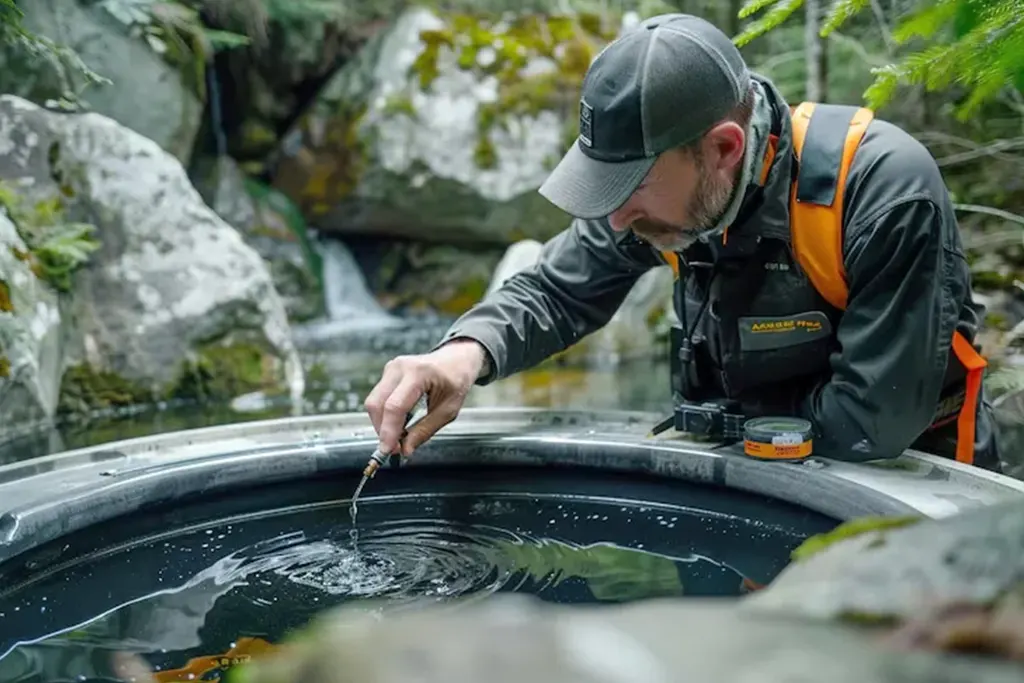
What to Do When a Test Comes Back Undesirable
First thing: don’t panic. A concerning number on a lab report isn’t automatically an emergency. It depends heavily on which contaminant showed up, how much of it there is, and where it’s likely coming from.
The usual next steps look something like this:
- Try to pin down exactly where the contamination is coming from
- Disinfect or repair the well if that turns out to be the root cause
- Install treatment equipment matched specifically to whatever was found
- Loop in your local or state health department if the situation warrants it
One word of caution: don’t rush out and buy a treatment system just because something came back wrong. Different systems handle different problems, and the wrong one either won’t fix the issue or will completely miss it.
It’s also worth noting that a lot of the problems that show up in a water test trace back to something mechanical — a cracked casing, a failing seal, an aging pump. If your results keep coming back with issues that treatment alone doesn’t seem to solve, it may be time to look at well pump repair rather than just adding another filter. A pump that’s struggling or drawing water incorrectly can pull in more than it should, and no amount of treatment fixes that at the source. In cases like this, working with someone who handles both water testing and well water pump repair saves you from bouncing between three different companies trying to figure out where the actual problem lives.
Protecting Your Well Between Tests
Testing catches problems after they’ve already happened. Good maintenance is what keeps some of them from happening at all.
Keep the area around the wellhead clear — no storage, no chemicals, no standing water pooling nearby. Check that the well cap is intact and sealed properly, and consider scheduling a well inspection alongside your regular testing so mechanical issues get caught before they turn into contamination problems. Fix drainage issues early, before runoff finds its way down into the well itself.
It’s also worth keeping a simple file — paper or digital, doesn’t matter — of your test results, inspection notes, repairs, and any treatment equipment you’ve had installed. Two or three years from now, when you’re trying to remember whether that iron reading was always that high, or you’re explaining your well’s history to a prospective buyer, you’ll be glad you kept it.
Frequently Asked Questions
How much does well water testing cost?
It depends on the panel. A basic bacteria and nitrate test usually runs on the lower end, while a comprehensive panel covering metals, VOCs, and other contaminants costs more. Pricing varies by lab, so it’s worth calling around and comparing what’s actually included before picking one.
Can I test my well water myself with a home kit?
Home test strips can give you a rough sense of things like pH or hardness, but they’re not reliable for health-related contaminants like bacteria, nitrates, or lead. For anything that could affect your family’s health, a certified lab is the only way to get results you can actually trust.
Is well water in Chapel Hill generally safe?
Most private wells in the area test fine, but that doesn’t tell you much about yours specifically. Soil conditions, septic proximity, and rainfall patterns vary block by block — sometimes even property to property. Your neighbor’s clean test doesn’t say anything about what’s happening in your water.
How long does it take to get results back?
Bacteria tests are usually the fastest, often back within a couple of days. Broader panels covering metals or chemicals can take a week or more, depending on the lab’s workload and what’s being tested.
Do I need to test my well water if I already have a treatment system installed?
Yes — and this trips a lot of people up. A treatment system only handles what it was built to handle. A nitrate filter isn’t doing anything about bacteria, for example. It also needs to actually be working correctly, which you can’t know without checking.
What’s the difference between well water testing and a well septic inspection?
Testing checks the water itself for contaminants. An inspection looks at the physical well and septic system — the cap, casing, pump, drain field, and surrounding area — for damage or vulnerabilities that could let contaminants in down the line.
Every well is a little different, and Chapel Hill’s particular mix of soil, geology, and land use means what’s true for your neighbor’s well isn’t necessarily true for yours. Whether you need a straightforward water test, a full well septic inspection, or you suspect your equipment itself is the problem and you’re due for well pump repair, The Water Specialist can walk through your specific situation and help you figure out what it actually means — and what to do next.