
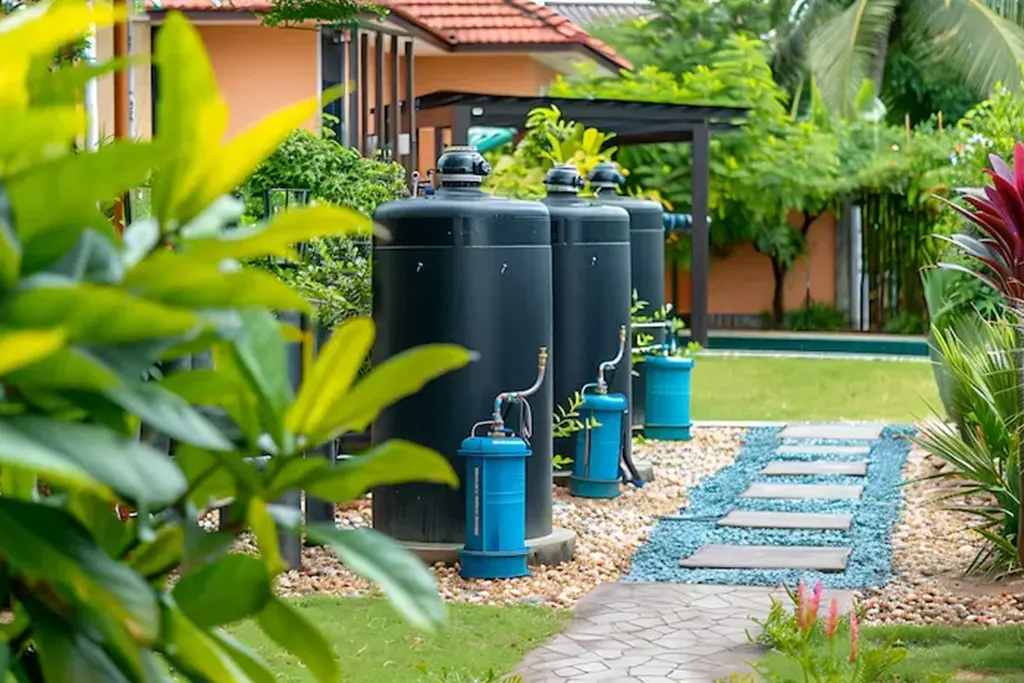
If your triangle-area home runs on a private well or a septic system, you’re managing two of the most important and most overlooked systems in your house. Unlike municipal water and sewer, these systems don’t come with a utility company checking in on them. That responsibility falls on you, the homeowner. This guide is built as a “silo”: one central hub covering the big picture, with links out to deeper, topic-specific resources so you can go as broad or as deep as you need.
Why Well & Septic Systems Need a Different Kind of Care
A private well pulls water from the ground through a pump and pressure tank system. A septic system treats and disperses your household wastewater on-site through a tank and drain field. Both are mechanical, biological systems that depend on regular maintenance, and both fail in ways that are inconvenient at best and expensive at worst. The good news: almost every major problem gives warning signs before it becomes a crisis if you know what to look for.
Below, we break the topic into three content clusters: Well & Pump Systems, Water Quality & Treatment, and Septic Systems, plus a supporting cluster on Water Heaters, since hot water problems are often connected to what’s happening upstream in your well or plumbing.
Well & Pump Systems
Your well pump and pressure tank are the heart of your water supply. When they misbehave, you’ll usually notice sputtering faucets, pressure that surges and drops, or a pump that cycles on and off far more than it should.
- Short-cycling is one of the most common (and most damaging) symptoms; it wastes energy and burns out pump motors early. If your pump seems to be working overtime, it’s worth understanding why pumps short-cycle and what causes it.
- Homeowners in fast-growing areas like Hillsborough often ask about full well pump installation when a system reaches the end of its service life.
- For general repair and replacement services across the region, see our well pump repair and replacement page.
Water Quality & Treatment
Well water quality varies dramatically by neighborhood and even by property. Iron staining, hardness, sulfur odor, and sediment are common complaints across Central North Carolina, and even homes on municipal water aren’t immune to mineral or taste issues.
- In Roxboro, iron and hardness are especially common; our breakdown of whole-house filtration options for iron and hard water walks through the right system for different water profiles.
- Before choosing any treatment equipment, testing is the essential first step; see our water testing and analysis services to understand exactly what’s in your water.
- For a full look at available equipment, our water treatment systems page covers filtration, softening, and conditioning options.
Septic Systems
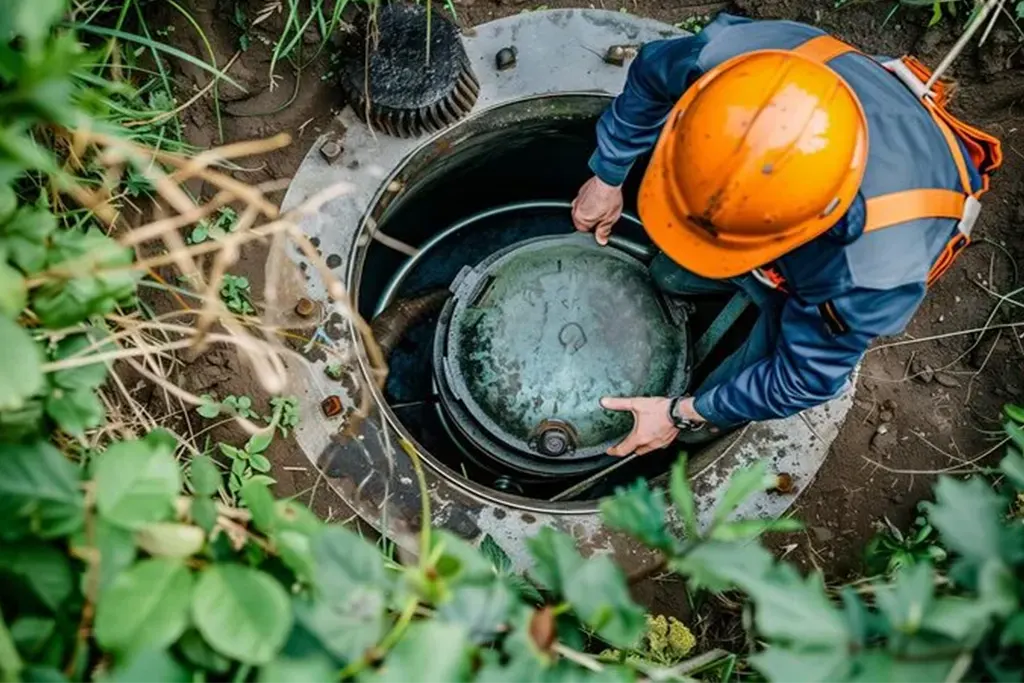
A neglected septic system doesn’t just create a mess; it can mean a full drain field replacement costing thousands of dollars. Catching problems early is almost always cheaper than reacting to them.
- Learn the habits that protect your system in our guide to septic tank maintenance tips that extend system life.
- Homeowners in Burlington facing a failing system often ask whether to repair or replace; our comparison of septic repair vs. installation breaks down the decision factors.
- In Mebane, we’ve outlined the early warning signs of septic trouble and typical repair costs so you can budget before an emergency hits.
- For installation and repair services broadly, visit our septic repair and installation page.
Water Heaters
Water heaters interact with your well and plumbing system more than most homeowners realize; sediment from hard water, for instance, can shorten a heater’s lifespan considerably.
- If you’re in Durham, our tips on water heater maintenance to save energy can help you get more life out of your unit.
- Chapel Hill homeowners heading into colder months should review 5 signs your water heater needs repair before winter.
- Full-service details are available on our water heaters page.
Bringing It All Together
Well, septic, water treatment, and water heater systems are all connected; a problem in one often shows up as a symptom in another. That’s why we recommend an annual well and septic inspection even if nothing seems wrong; small issues caught early save real money down the road.
If you’re noticing any of the warning signs covered in the guides above, pressure swings, slow drains, mineral staining, or lukewarm water, contact The Water Specialist or call (919) 241-4950. We serve homeowners throughout Durham, Chapel Hill, Hillsborough, Mebane, Cary, Burlington, Roxboro, Oxford, Wake Forest, and Pittsboro.
Frequently Asked Questions:
How often should a private well pump be inspected?
Most well pump systems benefit from a professional check-up once a year, even if everything seems to be working fine. An annual look at pressure, cycling behavior, and the pressure tank can catch early wear before it turns into a full pump failure.
What does it mean if my well pump keeps turning on and off?
This is called short-cycling, and it’s usually caused by a waterlogged pressure tank, a failing pressure switch, or a leak somewhere in the system. Left unaddressed, it accelerates wear on the pump motor.
How often should a septic tank be pumped?
Most residential septic tanks need pumping every three to five years, though usage, household size, and tank size all affect the timeline. Regular pumping is one of the simplest ways to avoid costly drain field damage.
What are the early warning signs of septic system failure?
Slow drains, gurgling pipes, standing water or unusually green patches near the drain field, and sewage odors indoors or outdoors are all early red flags. Catching these signs early is far less expensive than emergency repairs.
Should I repair or replace my septic system?
It depends on the system’s age, the extent of the damage, and long-term cost versus value. A localized issue in a younger system is usually a repair; a system nearing the end of its life with recurring problems often makes more sense to replace.
Can hard well water damage my water heater?
Yes. Mineral buildup from hard water settles inside the tank and on heating elements, reducing efficiency and shortening the unit’s lifespan. Softening or filtering your water can meaningfully extend how long your water heater lasts.
Do I need a well and septic inspection before buying or selling a home?
Yes, if the property relies on a private well or septic system, a professional inspection is strongly recommended (and often required by lenders) before closing. It protects both buyer and seller from surprise repair costs.